
Contact Us
Nutritional Heritage

Traditional Foundations of Male Nutrition

Rediscovering the raw materials of daily energy through the lens of ancestral dietary patterns and the Mediterranean stamina model.

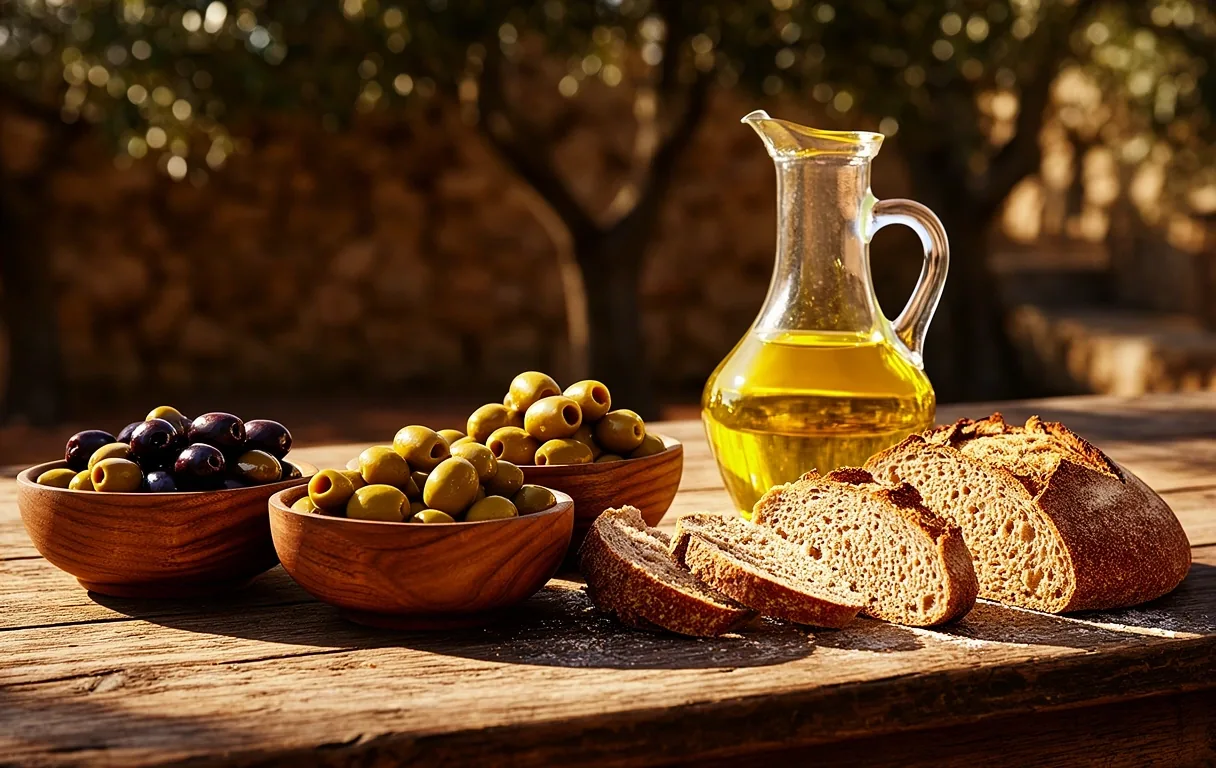
Traditional Mediterranean nutrition elements
Regional Patterns

The Mediterranean Energy Model

The traditional diet of the Iberian Peninsula and the wider Mediterranean basin is world-renowned for its longevity benefits, yet its impact on male-specific vigor is often under-discussed. This was not a diet of restriction, but of abundance in the right categories: healthy fats, seasonal vegetables, and lean proteins that provided a stable energy source for generations of workers.

Historically, men in these regions relied on a high intake of monounsaturated fats from olives and wild-harvested nuts to sustain their stamina through long days in the fields or at sea. By focusing on whole, unprocessed ingredients, their bodies avoided the energy crashes associated with modern refined sugars, maintaining a steady baseline of vitality throughout the day.

Folk Wisdom Notes

  • Seasonal adherence to local produce
  • High-quality cold-pressed oils
  • Moderate intake of wild-caught protein
  • Absence of refined industrial starches
01 / FOUNDATION

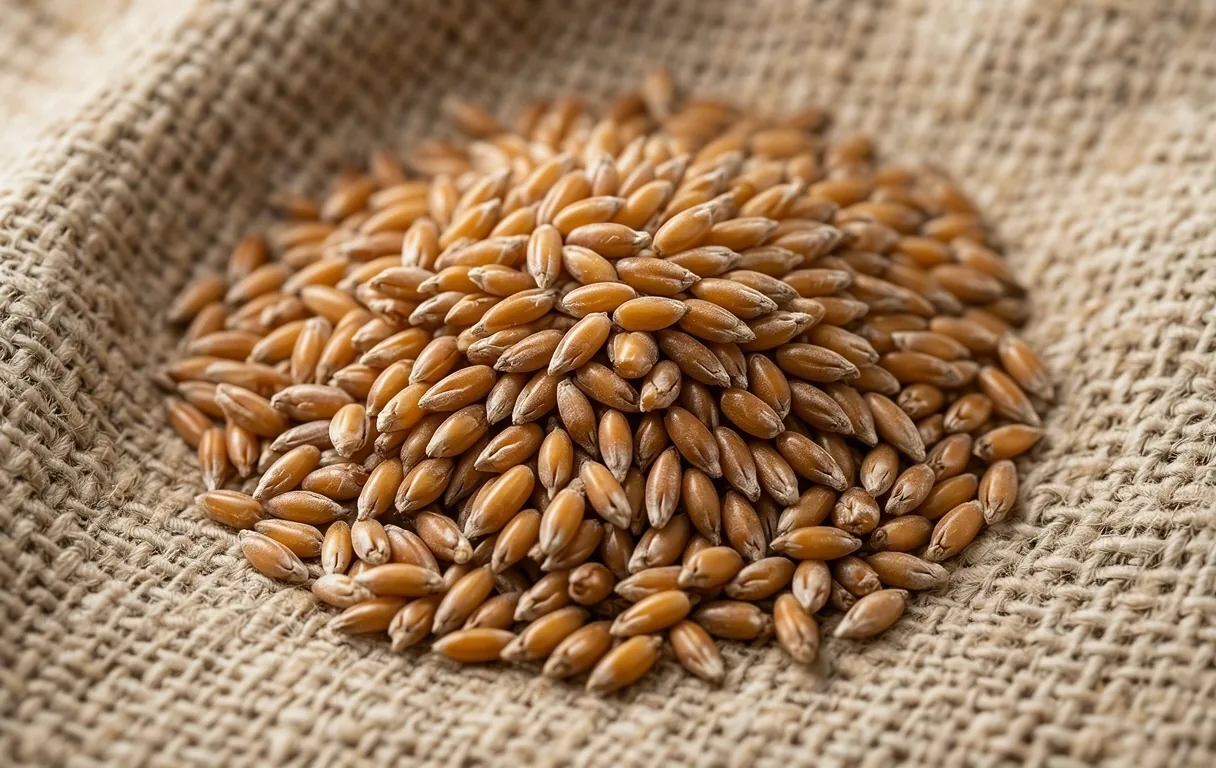
Whole Grains & Sustained Release

Before the advent of processed flours, men relied on ancient grains like spelt, barley, and traditional wheat varieties. These were not mere fillers; they were recognized as essential "slow fuels" that provided a steady release of energy, supporting long hours of physical labor without the inflammation often associated with modern hybrids.

Ancient grains
02 / FUEL

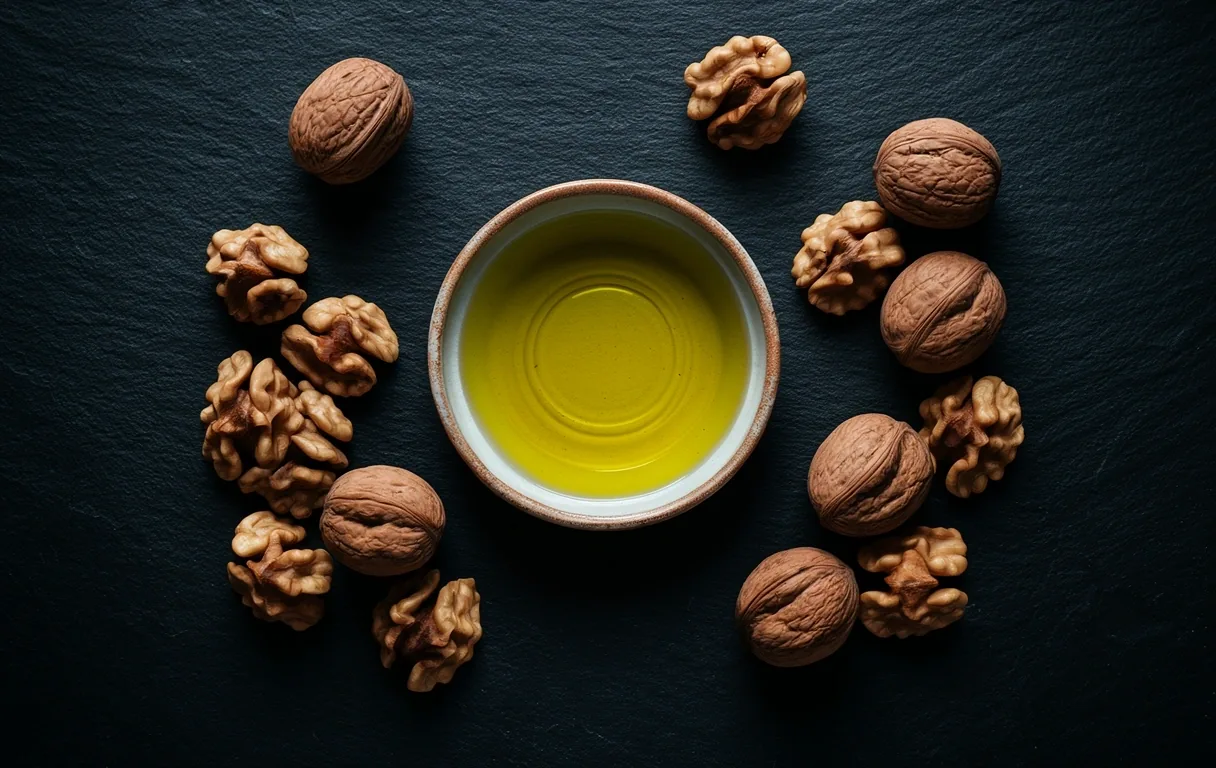
Traditional Sources of Healthy Fats

Olive oil, walnuts, and seeds have been staples of the male diet for centuries. Historically, these fats were recognized as vital for maintaining strength and cognitive clarity. In traditional Spanish folk medicine, a spoonful of raw olive oil in the morning was seen as a way to "oil the gears" of male vigor.

Healthy traditional fats
03 / HARMONY

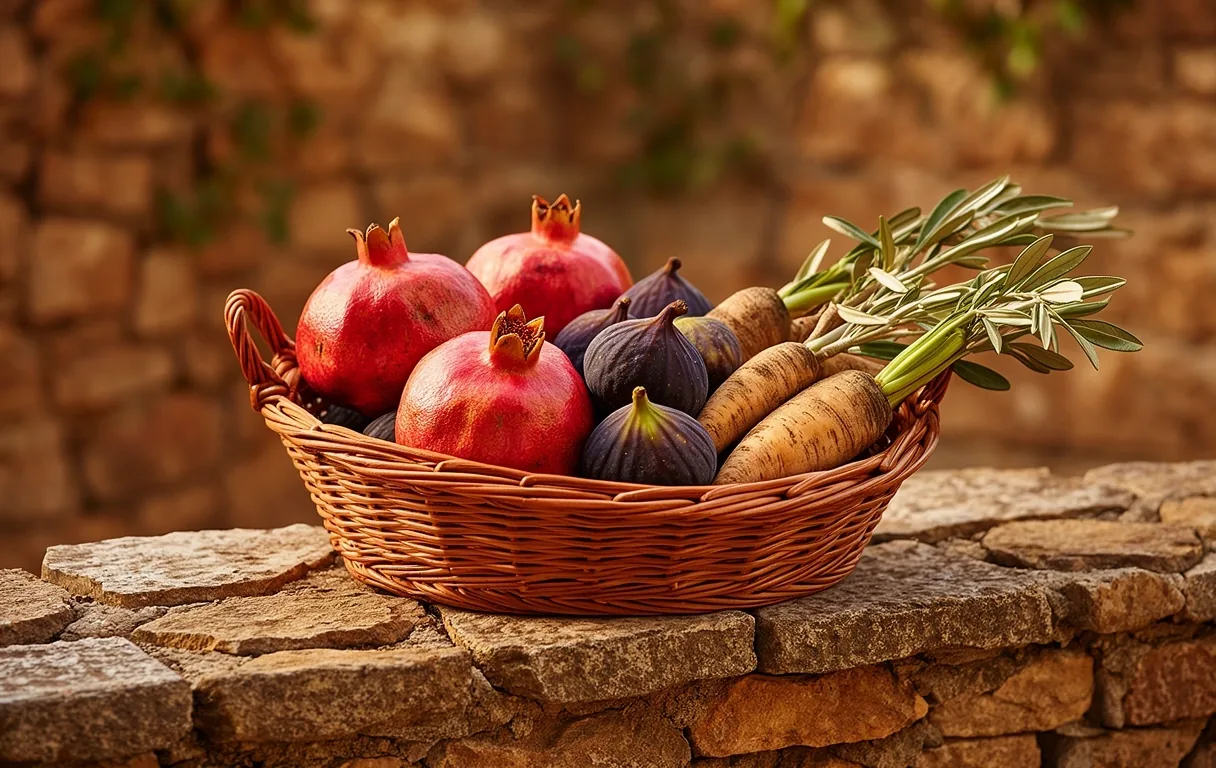
Seasonal Eating & Local Produce

Folk wisdom suggests that the body's needs shift with the earth's cycles. Eating cooling cucumbers and tomatoes in the summer and hearty, warming tubers in the winter aligns the internal constitution with the environment, preserving energy that would otherwise be spent fighting the climate.

Seasonal produce
Herbal Lore

Infusions and Natural Preparations

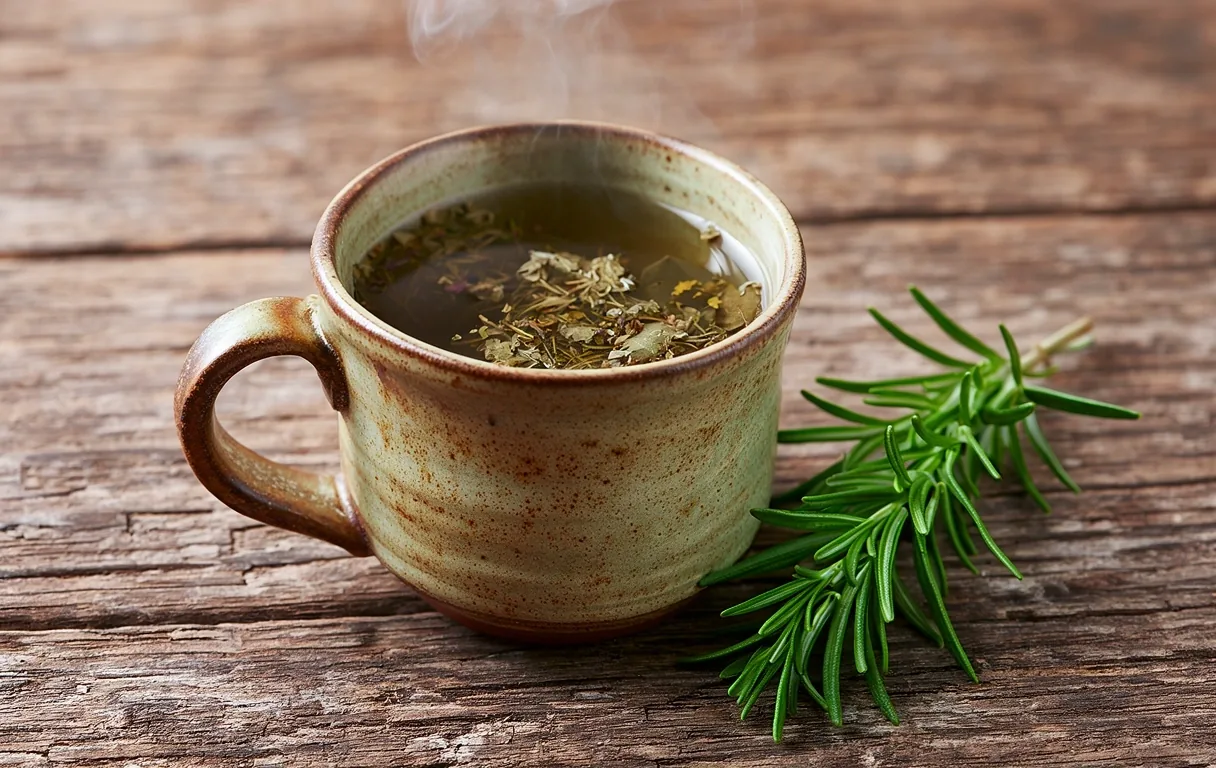
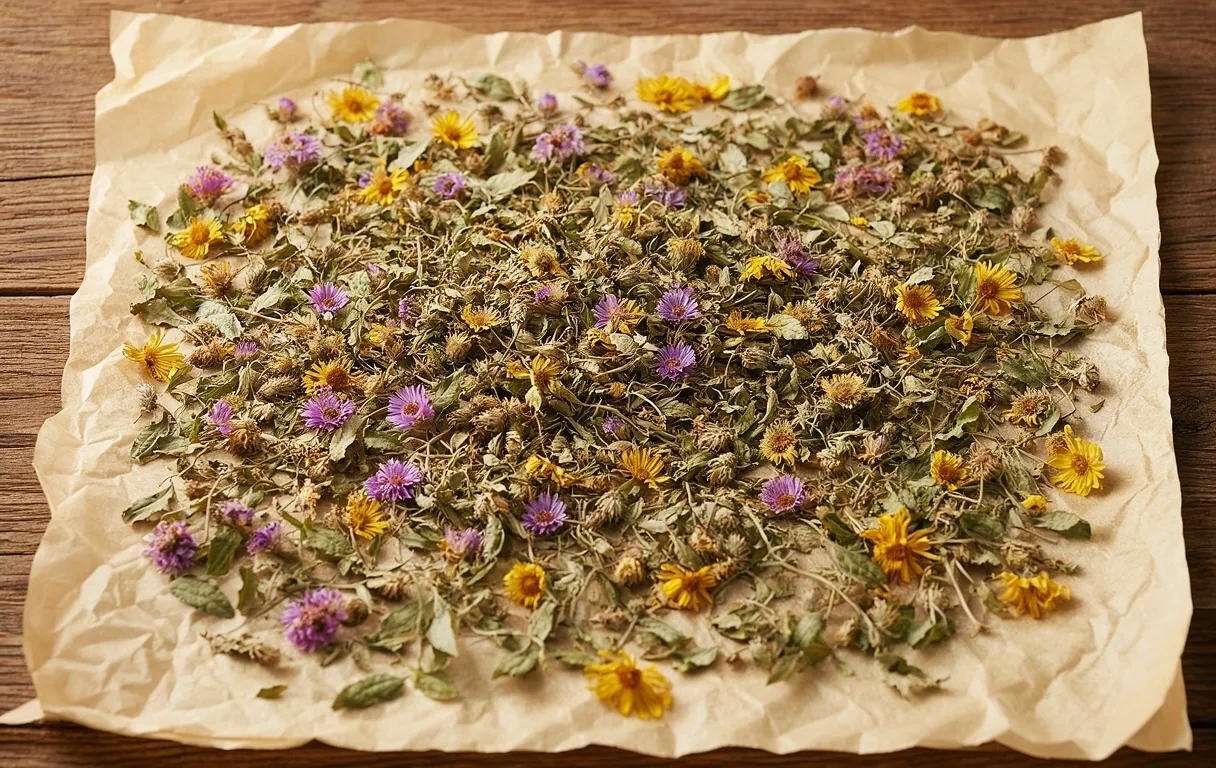
Beyond solid food, traditional cultures used specific herbal infusions to support stamina and daily resilience. Whether it was the "mountain tea" of the northern ranges or rosemary-infused water in the sun-drenched south, these preparations were integrated into the daily routine not as medicine, but as life-sustaining beverages.

View Botanical Archive
Traditional herbal infusion Dried herbs for infusions
Dining Culture

The Social Context of Dining

"In many traditional cultures, how you eat is as vital as what you eat."

Shared meals, slow consumption, and a conscious lack of distraction were the norms of the traditional household. This approach to dining supports optimal digestion and keeps the body in a relaxed, receptive state. In the folk tradition, eating in a state of hurry or stress was believed to turn even the best food into "empty fuel," sapping the man's natural vigor rather than replenishing it.

Source Breakdown

Protein in the Traditional Diet

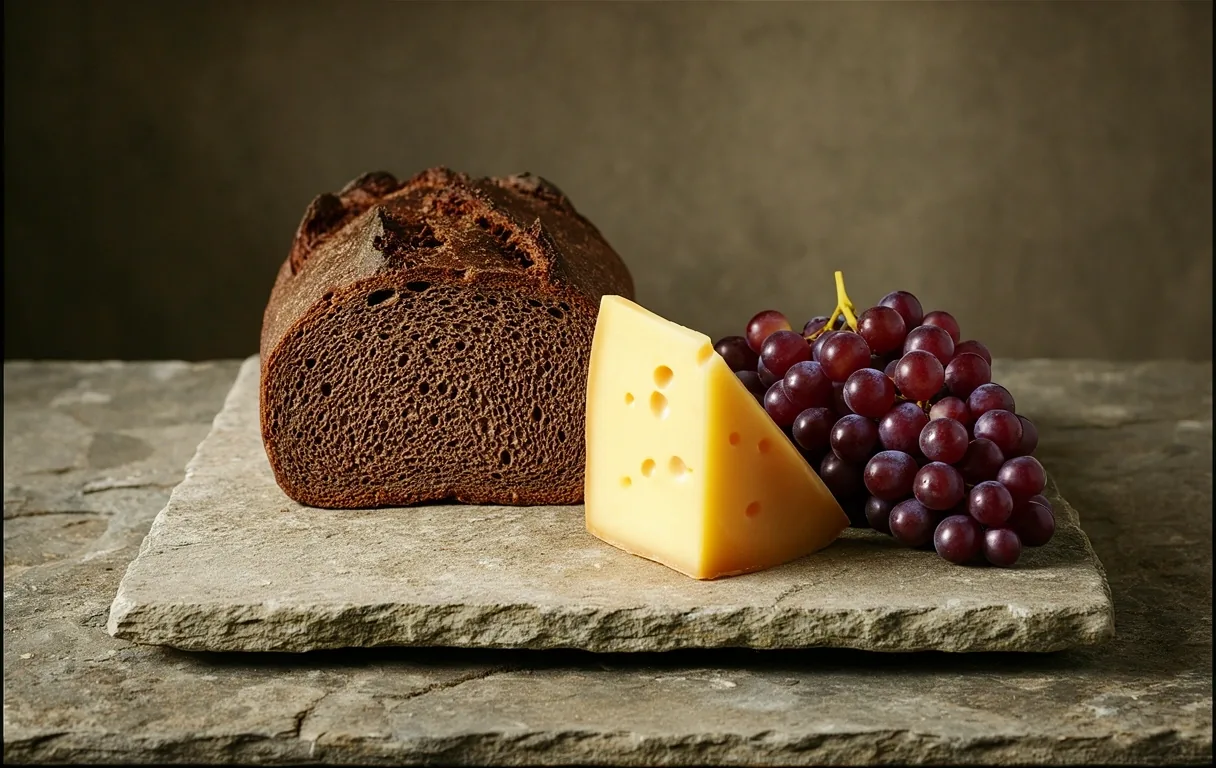
While modern nutritional trends often emphasize extreme protein intake, traditional diets were markedly more balanced. Sources like legumes (lentils, chickpeas), oily fish, and occasionally game were consumed in moderation and almost always paired with large amounts of fiber and complex carbohydrates.

This balance ensured that the body was not overtaxed by metabolic waste, allowing for a cleaner energy burn. Legumes, in particular, were the "meat of the poor" that fueled the massive physical feats of the Spanish peasantry for centuries, providing both strength and long-term vitality without the heaviness of modern industrial meats.

Avoiding Energy Draining Foods

Just as some foods support vigor, others are traditionally known to sap it. Heavily processed sugars and over-refined products were entirely absent from the folk diet. In our modern context, rediscovering vitality often requires a return to simplicity—stripping away the chemical additives and industrial shortcuts that interfere with our natural metabolic rhythm.

Simple whole foods
Vitalidad Natural

An educational journal dedicated to the heritage of male vitality and the preservation of traditional wellness practices.

Calle de Serrano, 45, 28001 Madrid, Spain

+34 912 37 01 60

[email protected]

Archive Index
Integrity